Autumn and winter bring short days, early evenings and little sunlight, and we look more and more for ways to feel good in the middle of the cold and the dark. The garden has gone quiet, the temperature is dropping, and we keep looking for ways to feel good in the cold and the dark. Now is the right time to remember one of Estonians’ most beloved traditions: the sauna.
A sauna is not just a place to warm up. It is a chance to slow down, let everyday thoughts drift away and enjoy a moment when there is no hurry. It is no coincidence that the sauna has been part of Estonian life for centuries.
Why is going to the sauna good for body and mind?
One of the greatest values of the sauna is its ability to give both body and mind a rest. In a warm room, body temperature rises, blood vessels widen and the heart rate increases. This is a kind of load on the body, often followed by a pleasant feeling of relaxation.
Regular, moderate sauna use may offer several benefits:
- Muscle relaxation. Heat helps ease muscle tension and can bring welcome relief after physical exertion.
- Stress relief. The sauna is a place where you can step away from everyday noise, your phone and your obligations. Calm helps the mind rest.
- Better well-being. Warmth, rest and sauna rituals can contribute to an overall sense of well-being.
- Skin and sweating. Sweating in the sauna helps the body regulate its temperature. After a sauna, skin can feel fresher, especially if followed by moisturizing.
- Preparing for sleep. An evening sauna can promote relaxation and help the body wind down before bed.
What does the research say?
In 2015, Finnish researchers studied the sauna habits of 2,315 middle-aged men and their link to cardiovascular health. Participants were followed for nearly 21 years on average. The study found that men who went to the sauna 4 to 7 times a week had a 63% lower risk of sudden cardiac death and a 50% lower risk of dying from cardiovascular disease than those who went once a week. The results suggest that regular sauna use may be associated with benefits for heart health. (Laukkanen et al., 2015)
It is important to listen to your body, drink enough water and not turn sauna time into an endurance test. The good feeling you get from the sauna starts with taking time for yourself.
Women in the sauna said the sauna is much more than a hot steam room
Women in the sauna said… And chances are that more than one important piece of news, good idea or worry finally spoken aloud began on a sauna bench.
Throughout history, the sauna has been a place where people can come together without too much formality. People talk about life, share experiences, laugh, discuss the world’s affairs, and sometimes simply sit in silence.
The sauna holds a special place in Estonian culture. It has been a place for washing, healing, celebrating special occasions and spending time with family and friends. Today its meaning has changed, but one thing has stayed the same: the sauna offers a chance to be present and enjoy good company.
On a dark autumn or winter evening, there is something especially nice about it. Outside it is cold and gloomy, but in the sauna it is warm and cozy, with time for good conversations as well as for being alone with yourself.
Wooden or concrete sauna? What is the difference?
When planning a sauna, sooner or later you reach the question: choose a traditional wooden sauna, or think about a different kind of solution altogether?
Both have their advantages, but besides appearance, it is worth paying attention to the durability of the materials, the maintenance needs, and how much attention the sauna will require over the years.
Wooden sauna: traditional and natural
For many people, a wooden sauna is the familiar, classic choice. Wood creates a cozy atmosphere, has a pleasant natural texture, and for many people the smell of wood is an inseparable part of the sauna experience.
Advantages of a wooden sauna:
- Natural, traditional look.
- A light material that allows various construction solutions.
- Wood creates a warm and cozy visual environment in the sauna.
At the same time, there are some特 characteristics of wooden saunas to keep in mind:
- Regular maintenance. Wood outdoors is exposed to moisture, UV radiation and temperature fluctuations. To preserve its appearance and durability, it needs regular inspection and, when necessary, treatment.
- Fire safety. Wood is a combustible material, so safety distances from the stove, heat shields and compliance of the electrical installation need particular care.
- Temperature fluctuations. A wooden structure reacts to the weather, and how well it retains heat depends largely on the construction, insulation and build quality.
- Winter use. If the sauna has a water or sewage system, the risk of pipes and equipment freezing must be considered in the cold season. This is especially important if the sauna is not heated continuously.
- Heating the anteroom. If the sauna comes with a larger anteroom, lounge or washing area, the energy needed to heat those spaces must also be considered. The larger the heated area, the more energy it takes to warm the rooms and keep the temperature up, which also shows on the electricity bill.
With a wooden sauna, it is therefore important to look at the whole picture: not only the cost of building, but also the care and attention the building needs over the years.
Concrete vaulted sauna
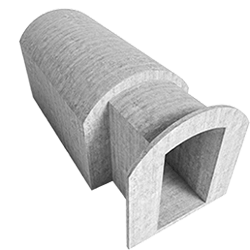
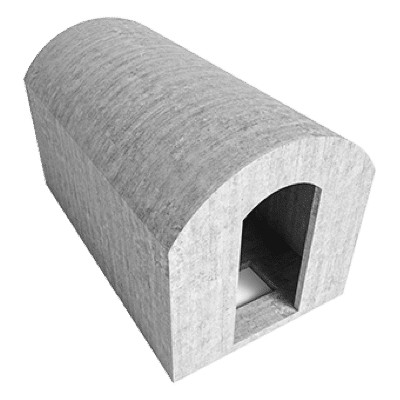
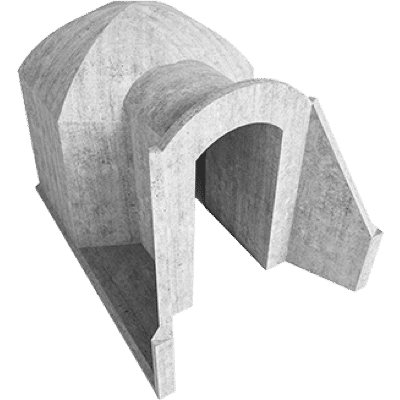
The Revonia concrete vaulted sauna differs from a traditional wooden sauna already in its construction. The vault, made of monolithic reinforced concrete, forms a strong and durable structure, and its distinctive feature is architecture that blends into the landscape.
Advantages of a concrete vaulted sauna:
- 100 years of design life. The design life of Revonia concrete structures is 100 years. This is not just a sauna for the next ten or twenty years, but a place that can stay in the family’s use for generations. Today you enjoy sauna sessions with your children, and decades from now they may be visiting the same sauna with their own.
- Landscape-blending design. A vaulted sauna can be installed partly or fully underground, so the sauna does not have to dominate the rest of the yard or garden.
- Space-saving solution. The yard above ground stays freer, and a green area can be created on the sauna roof.
- Maintenance-free concrete structure. The concrete main structure does not need the regular impregnation, oiling or repainting that wood does. This leaves more time to enjoy the sauna rather than maintain it.
- Good heat storage. The massive concrete structure stores heat and releases it slowly. A properly insulated vaulted sauna stays warm for a long time and does not need to be heated constantly while it is not in use. A well-planned technical systems solution also helps prevent the water pipes from freezing.
- Stable and fireproof structure. Reinforced concrete is a non-combustible material, which gives the building a significant fire safety advantage. Unlike wood, concrete itself is not flammable.
- Distinctive architecture. The vaulted shape gives the sauna a special character that stands out from ordinary rectangular sauna houses.
The vaulted ceiling: more than just beautiful architecture
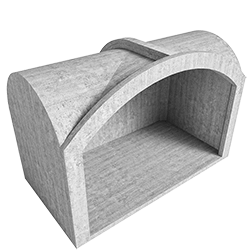
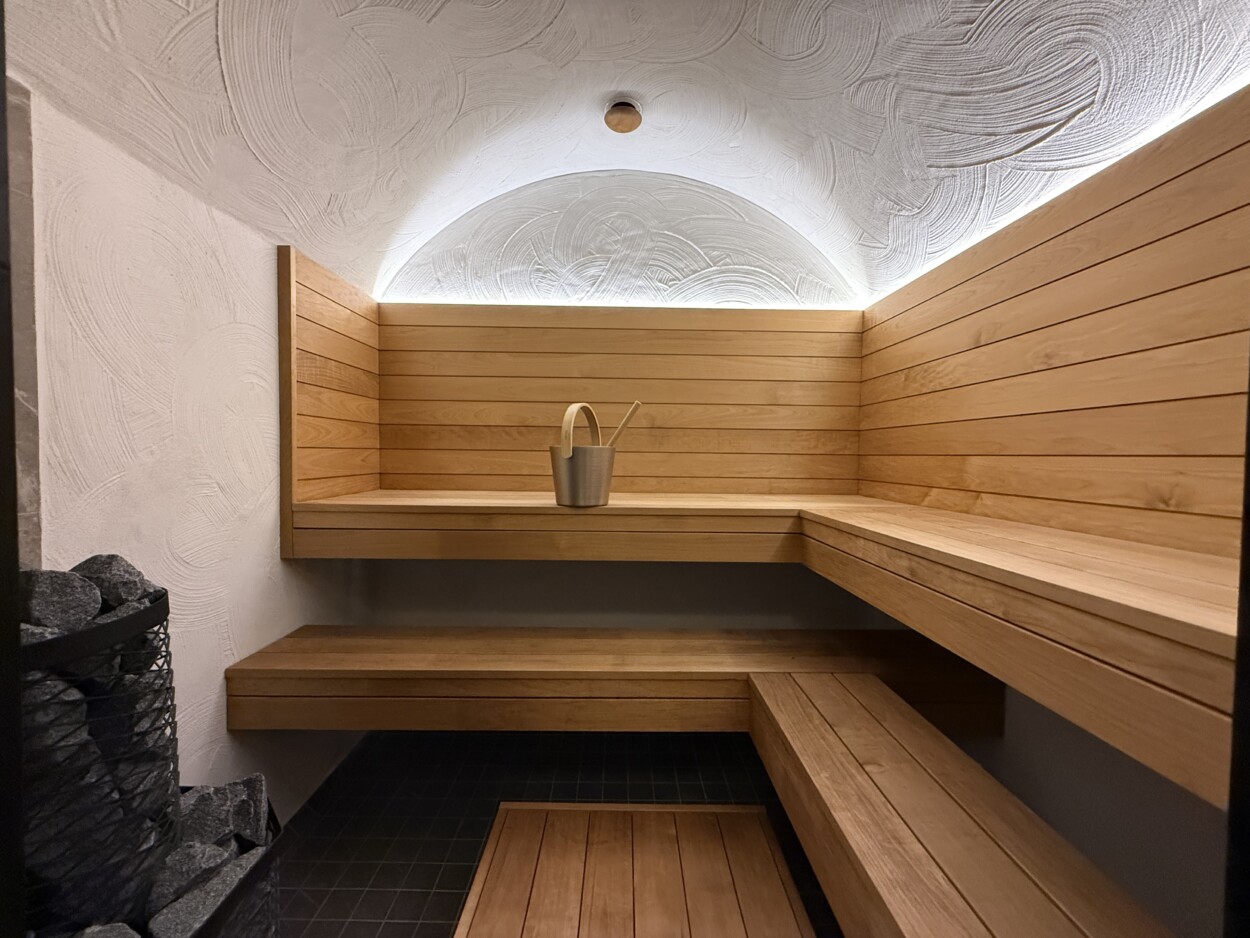
One of the most distinctive features of the Revonia vaulted sauna is its arched ceiling. But the vaulted ceiling is not just a visual detail. It is an important part of the sauna’s spatial design, and it also affects the steam experience.
Unlike a regular flat ceiling, a vaulted ceiling lets hot air and steam travel along the curve of the ceiling. The steam rises from the stove, moves along the vault and spreads through the room, giving the bather a different and more varied steam experience. So the vaulted ceiling is not merely an eye-catching architectural solution, but helps shape how steam moves and feels in the sauna room.
The magic of the sauna lies in how heat and steam move through the space. The Revonia vaulted ceiling gives this movement a special spatial solution, combining functionality with distinctive architecture. It is a detail that makes the vaulted sauna special both to the eye and in terms of the sauna experience.
Lime plaster: a nature-friendly finish for concrete
Another feature that sets the Revonia concrete vaulted sauna apart from an ordinary wooden sauna is the use of lime plaster in the interior finish. In a traditional wooden sauna, wood is the usual choice for finishing walls and ceilings, but the structure of a concrete vaulted sauna also allows the use of mineral lime plaster.
Concrete is a suitable mineral base for lime plaster, which can be applied with proper preparation. This is more difficult with a wooden structure, because wood reacts to changes in temperature and moisture and needs a separate suitable base structure for plastering.
Lime plaster gives the sauna’s interior surfaces a soft, natural and lightly textured look. It creates a cozy and calm atmosphere and offers an interesting alternative to the usual wood finish.
Besides the aesthetic look, lime plaster has several practical properties:
- Vapor permeability. Lime plaster lets water vapor pass through the finishing layer, supporting the drying of the structure under suitable conditions.
- Moisture-balancing properties. The porous structure of the material can temporarily absorb moisture as air humidity changes and release it again later.
- Natural mineral composition. Lime plaster is a mineral finishing material that suits people who value nature-friendly materials.
- Mold-inhibiting properties. The alkaline composition of lime helps create a less favorable environment for mold growth.
Unlike wood finishes, lime plaster does not need regular impregnation or oiling. This makes it possible to combine the durability of a concrete structure with the natural look of lime plaster, creating a sauna whose interior is at once special, timeless and close to nature.
It is important to understand that a concrete vaulted sauna does not mean giving up the traditional sauna experience. The steam room can be made cozy and natural using suitable wooden interior finishing materials. This way, the strength of the concrete structure meets the natural warmth of wood.
Winter is the perfect time to dream of your own sauna
In summer we spend most of our time outdoors, but when the cold weather arrives, home and its surroundings become especially important again. Now we appreciate the small joys more: a warm cup of tea, cozy light, the crackle of the fireplace, and the chance to go to your own sauna in the evening.
Planning a sauna does not have to wait until spring. On the contrary, dark winter evenings are a good time to think through what kind of sauna you want for your home or summer house, where to put it, and how to fit it in with the rest of your surroundings.
The Revonia concrete vaulted sauna offers a chance to combine a practical solution, a durable structure and architecture that fits into nature.
Because let’s be honest: there are not many better ways to enjoy a cold, dark evening than a warm sauna, good company and the feeling that there is no hurry.
Now it’s your turn to dream of your own sauna!
Source:
Laukkanen, T., Khan, H., Zaccardi, F., & Laukkanen, J. A. (2015). Association between sauna bathing and fatal cardiovascular and all-cause mortality events. JAMA Internal Medicine, 175(4), 542-548.